Services
Magazines, catalogues, brochures and binding types
When there is more information than a sheet can hold, you need a multipage format and the right binding.
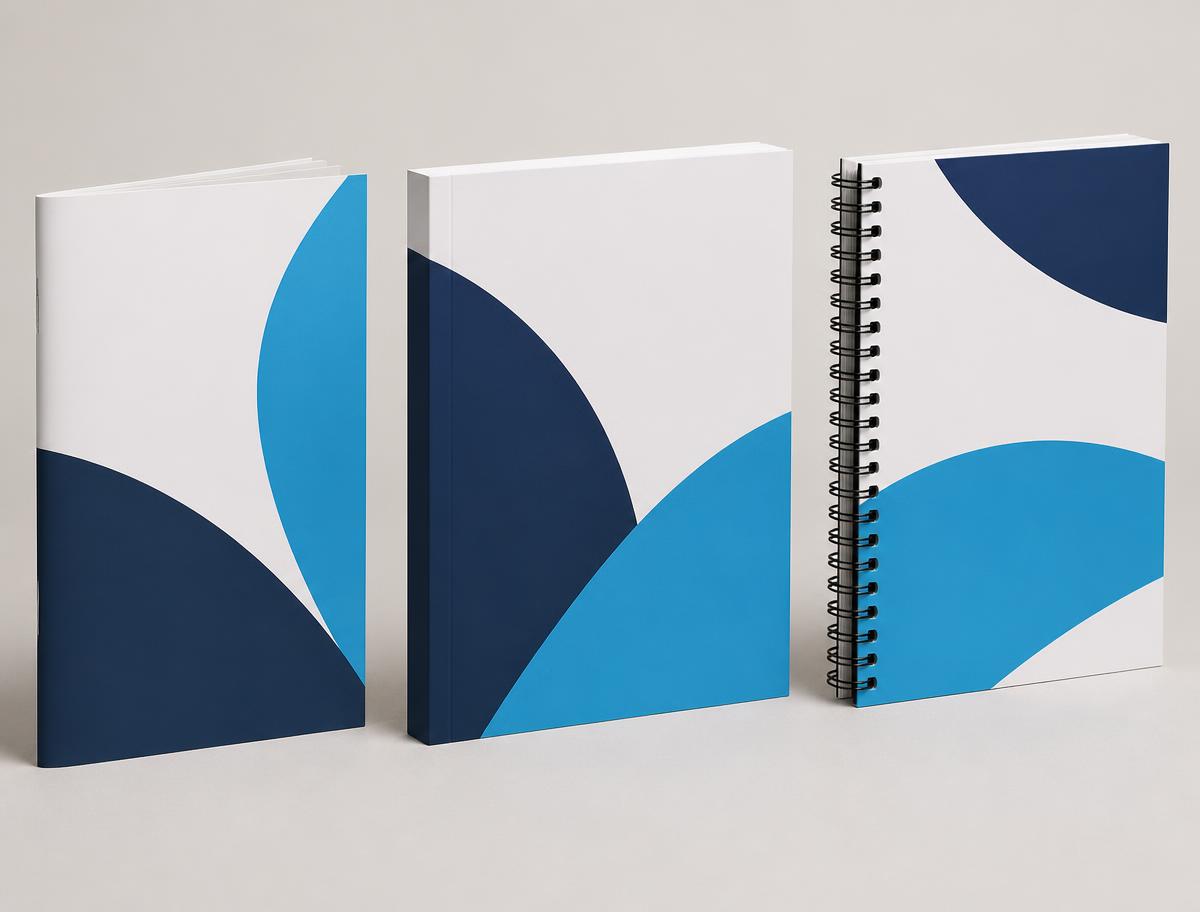
A multipage product has structure: cover, sections, page numbers, contents. It is worth deciding early how the block will be bound, because that drives margins, how flat it opens and how comfortable it is to read.
We compare binding types with diagrams in a dedicated guide. The right choice depends on extent, format and purpose — availability of individual technologies is confirmed per order.
Publication types
- Magazines and corporate publications
- Product and collection catalogues
- Brochures and presentation material
- Manuals, handbooks and procedures
- Event programmes and compendiums
- Reports and analytical documents
- Notebooks and workbooks
Binding types
- Saddle stitch — stapled through the spine fold
- Perfect binding — a flat glued spine
- Metal or plastic spiral (wire-o / coil) — subject to availability
- Spring binding and calendar hangers as possible options
- Folder, clip binder or loose sheets
Decide in advance
- Total page count including the cover
- Spine margins so text does not vanish into the binding
- Whether the cover uses a different stock
- Whether a reprint is planned later
Who it suits
- Companies with a product catalogue
- Organisations publishing reports and material
- Schools and training providers
- Events with a programme or proceedings
What to include in your request
- Format and page count
- Preferred binding, or a request to have it matched
- Colour of block and cover
- Run size and reprint plans
- Artwork as single pages or spreads
Good to know
- Page ranges for each binding depend on paper and are confirmed per publication.
- For saddle stitch the total page count is a multiple of four.
Frequently asked questions
Related services
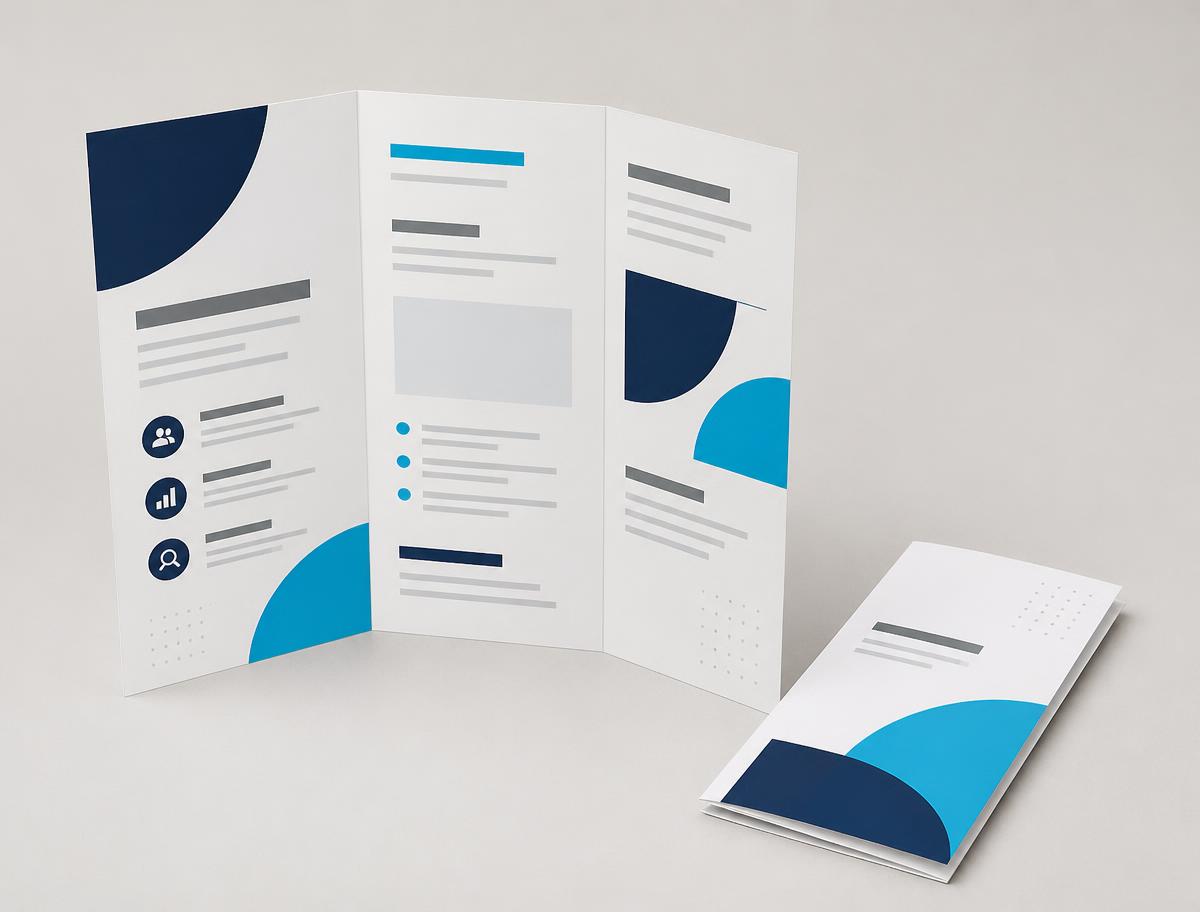
Booklets, leaflets and folds
One sheet becomes a compact publication — if you pick the right fold and lay the content out across panels.
Read more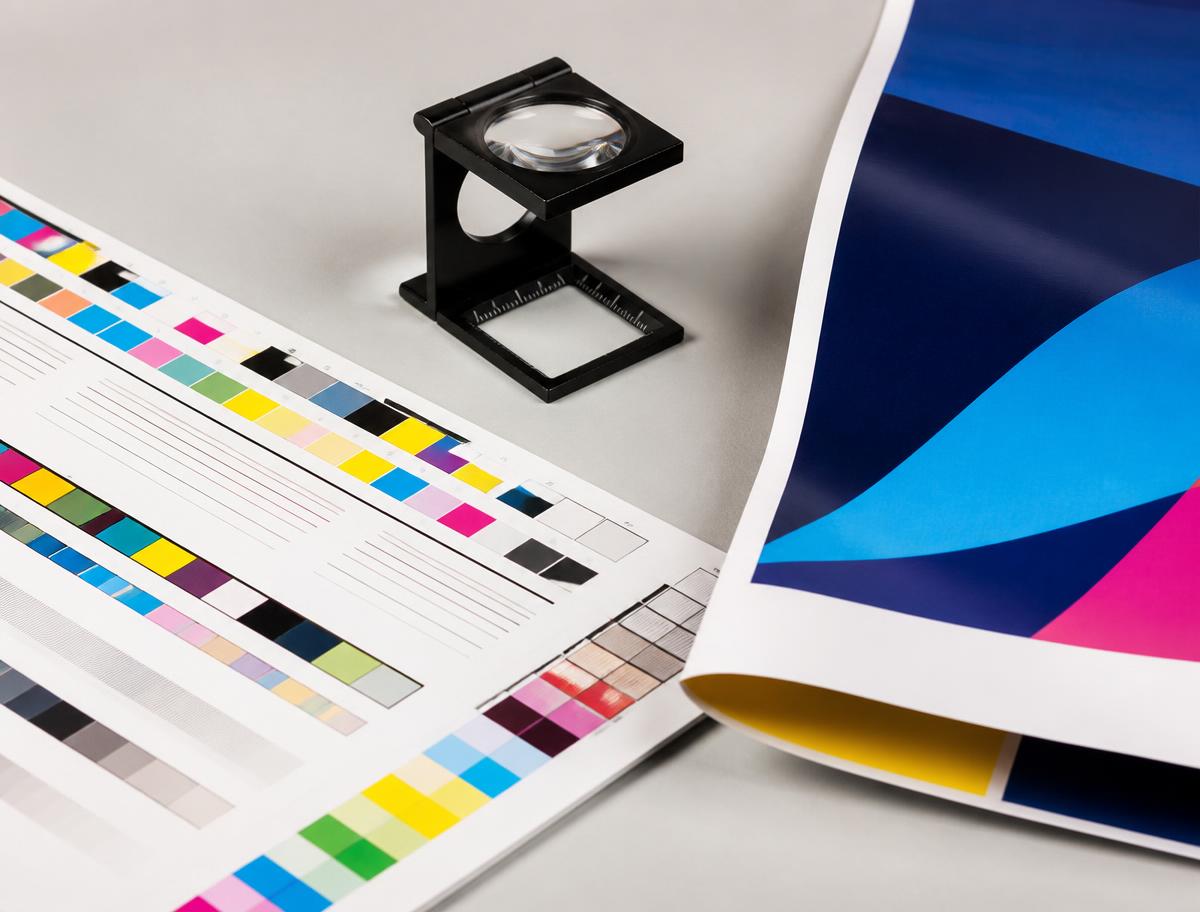
Prepress and design
Files are checked before printing, so mistakes are found on screen rather than in a finished run.
Read more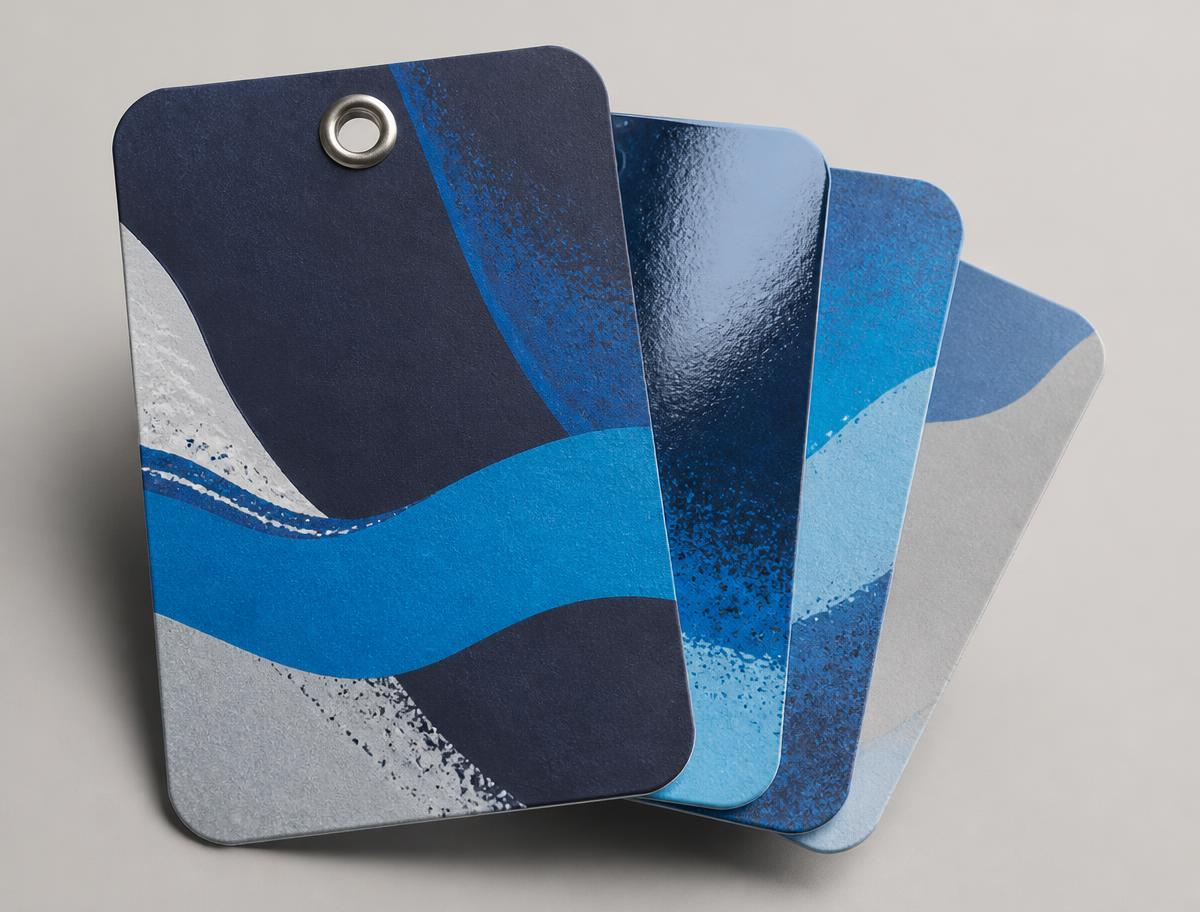
Finishing
Printing is half the job. How the finished item looks is largely decided by what happens afterwards.
Read moreNeed a quote for your project?
Describe the product, the run and your timing — we will confirm the details and match a solution to your artwork.