Skip to content

Knowledge hub article

Guide to binding

How each binding looks, what it suits, and where its strengths and limits lie.

Binding is not only about appearance: it drives spine margins, how flat the publication opens and how comfortable it is to work with.

Page ranges and the availability of specific technologies depend on paper and format, so the choice is always matched to your publication. Describe the extent and purpose and we will suggest an option.

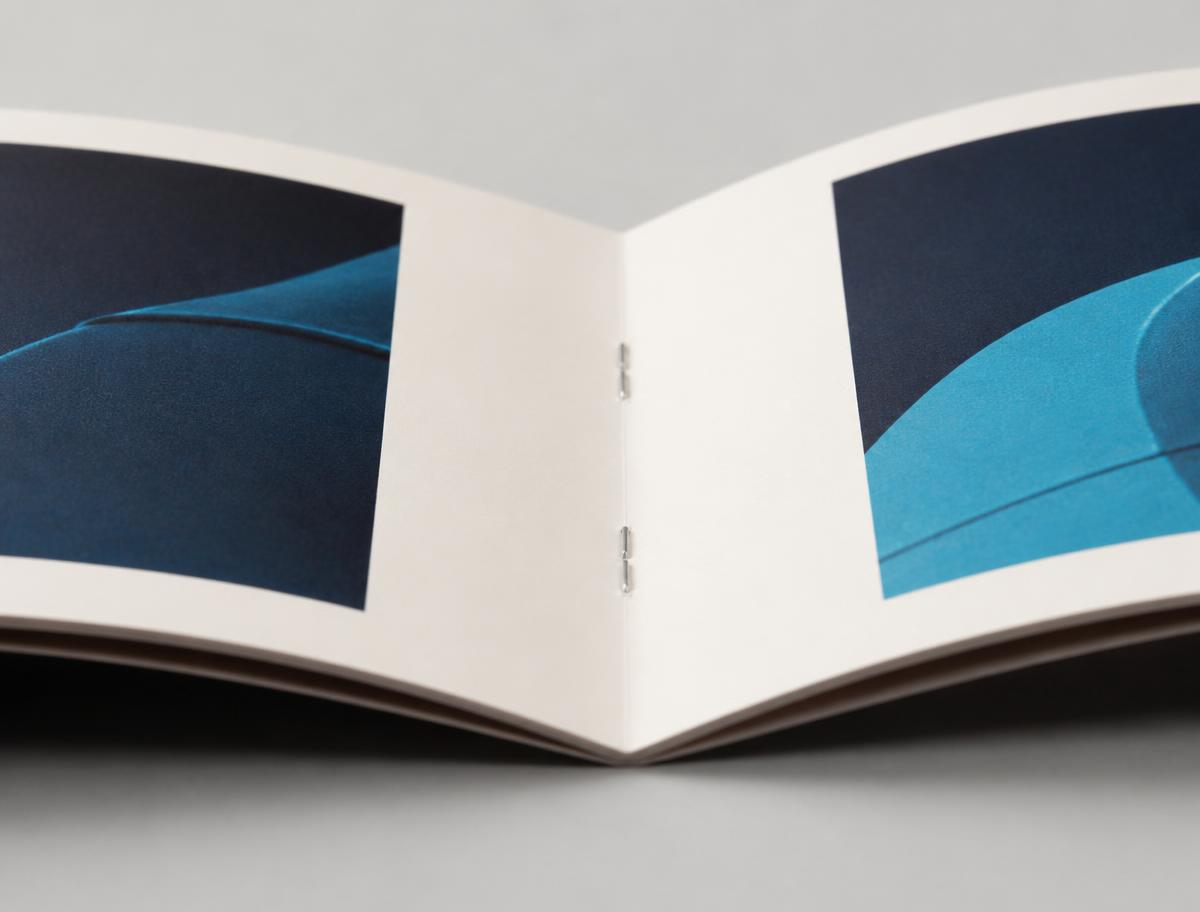
Saddle stitch

Saddle stitch

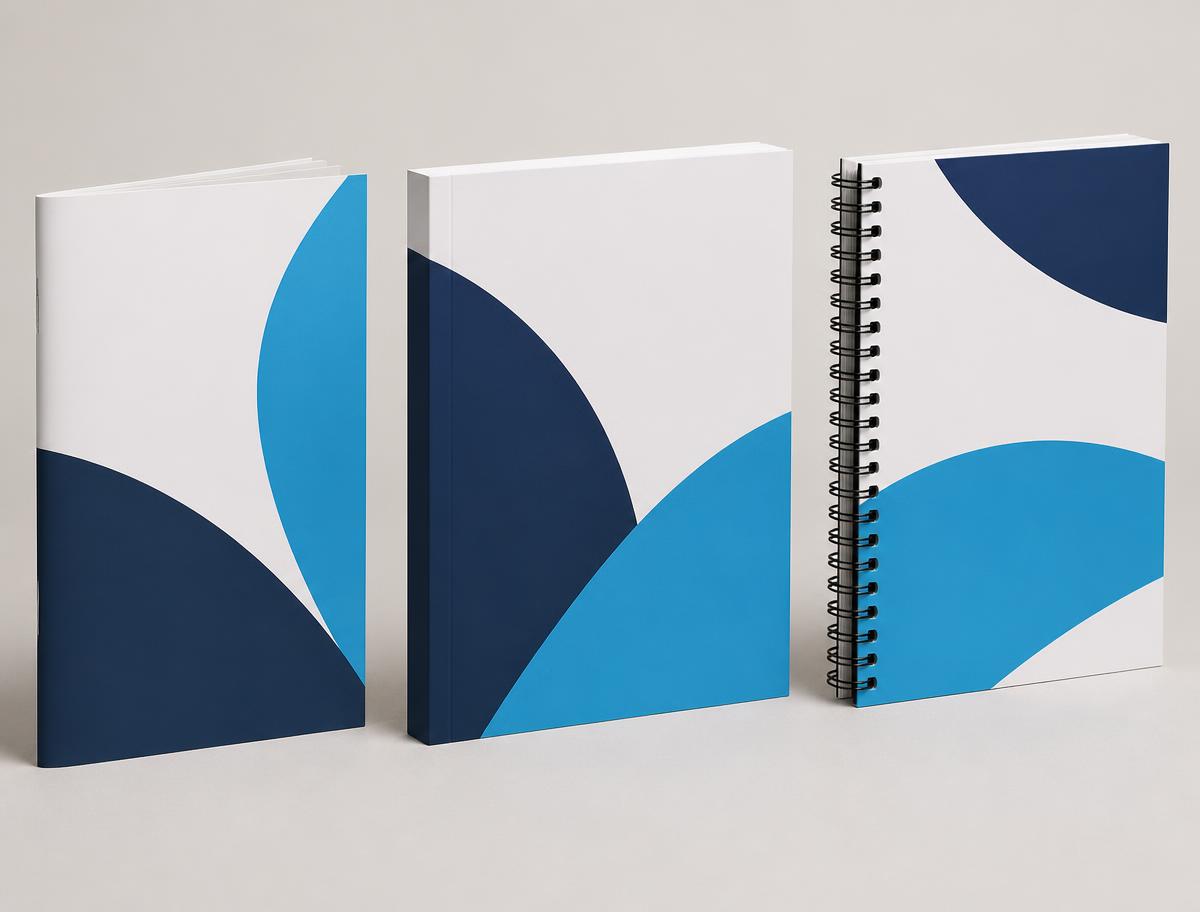
A booklet stapled through the spine fold.

Who it suits
Brochures, programmes, thin catalogues, short reports.
+
Opens almost flat, clean appearance, simple construction.
Total page count is a multiple of four; the format limits high extents.
Perfect binding

Perfect binding

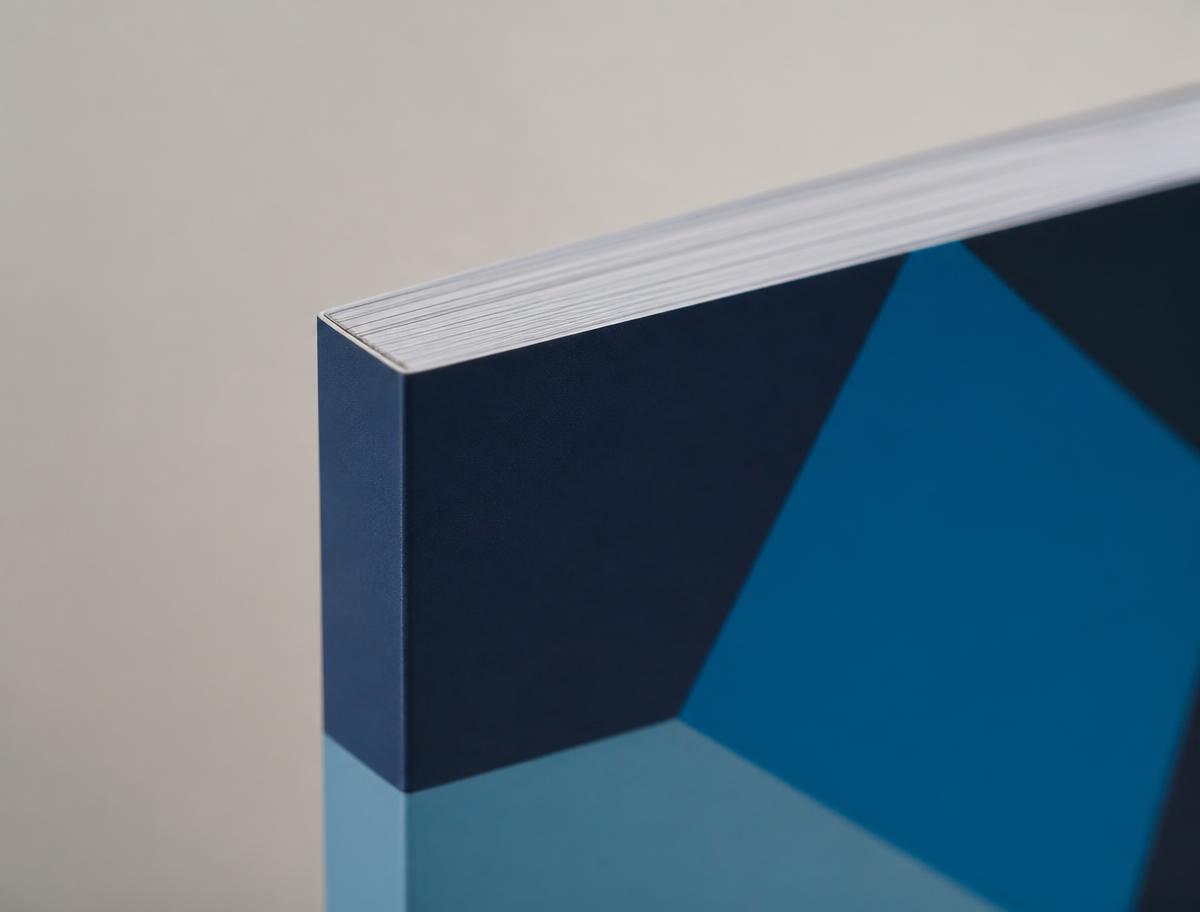
A flat glued spine, like a paperback book.

Who it suits
Catalogues, magazines, manuals, presentation publications.
+
A tidy spine that can carry text; a substantial feel.
Does not open completely flat; needs generous spine margins.
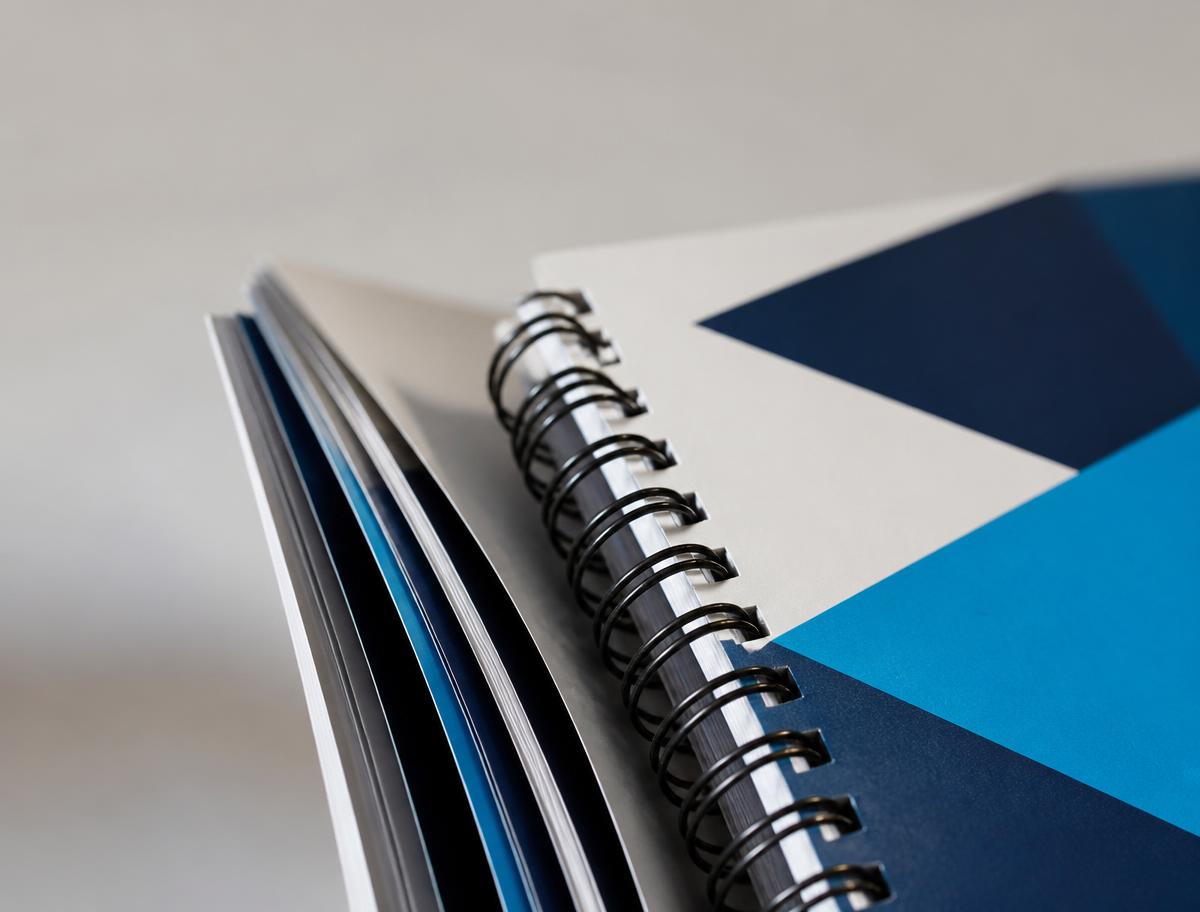
Wire-o (metal)

Wire-o (metal)

Double metal loops through holes along the edge of the block.

Who it suits
Workbooks, manuals, desk-side presentations.
+
Opens fully and folds back through 360°.
No text can sit on the spine; availability is confirmed per order.
Plastic coil

Plastic coil

A continuous plastic spiral along the edge of the block.

Who it suits
Notebooks, course material, teaching aids, internal documents.
+
Flexible, opens fully, stands up to frequent handling.
A less formal look; availability is confirmed per order.
Stitched block with calendar hanger

Stitched block with calendar hanger

A stapled block with a metal strip and hanger at the top.

Who it suits
Wall calendars and flip-over material.
+
Ready to hang, easy to turn month by month.
Applies to a limited range of products; agreed separately.
Folder, clip binder or loose sheets

Folder, clip binder or loose sheets

Unbound sheets in a folder or drilled for filing.

Who it suits
Price lists, updatable manuals, document sets.
+
Individual sheets can be replaced or added without reprinting the block.
Sheets are not fixed and can be lost; a carrier such as a folder is needed.

Comparison table

BindingOpens flatText on spineTypical use
Saddle stitchOpens almost flat, clean appearance, simple construction.Total page count is a multiple of four; the format limits high extents.Brochures, programmes, thin catalogues, short reports.
Perfect bindingA tidy spine that can carry text; a substantial feel.Does not open completely flat; needs generous spine margins.Catalogues, magazines, manuals, presentation publications.
Wire-o (metal)Opens fully and folds back through 360°.No text can sit on the spine; availability is confirmed per order.Workbooks, manuals, desk-side presentations.
Plastic coilFlexible, opens fully, stands up to frequent handling.A less formal look; availability is confirmed per order.Notebooks, course material, teaching aids, internal documents.
Stitched block with calendar hangerReady to hang, easy to turn month by month.Applies to a limited range of products; agreed separately.Wall calendars and flip-over material.
Folder, clip binder or loose sheetsIndividual sheets can be replaced or added without reprinting the block.Sheets are not fixed and can be lost; a carrier such as a folder is needed.Price lists, updatable manuals, document sets.

The table is a reference. The final choice depends on extent, format, paper and purpose — ask us to match one to your project.

Need a quote for your project?

Describe the product, the run and your timing — we will confirm the details and match a solution to your artwork.